How Metal Roofs Handle Wind
Metal is one of the most wind-resistant roofing materials, and understanding why helps a Middletown homeowner appreciate both its strength and its limits. Here is how metal handles wind.
Strong Wind Resistance
Quality metal roofing systems are highly wind-resistant, with many rated to withstand high winds well beyond what typical storms bring. The panels lock or fasten down securely, and the smooth, continuous surface gives wind little to grab compared to individual shingles that can be lifted one by one. This inherent wind resistance is a major advantage of metal, especially in storm-prone areas. It is one of metal's strongest selling points.
The Role of Installation
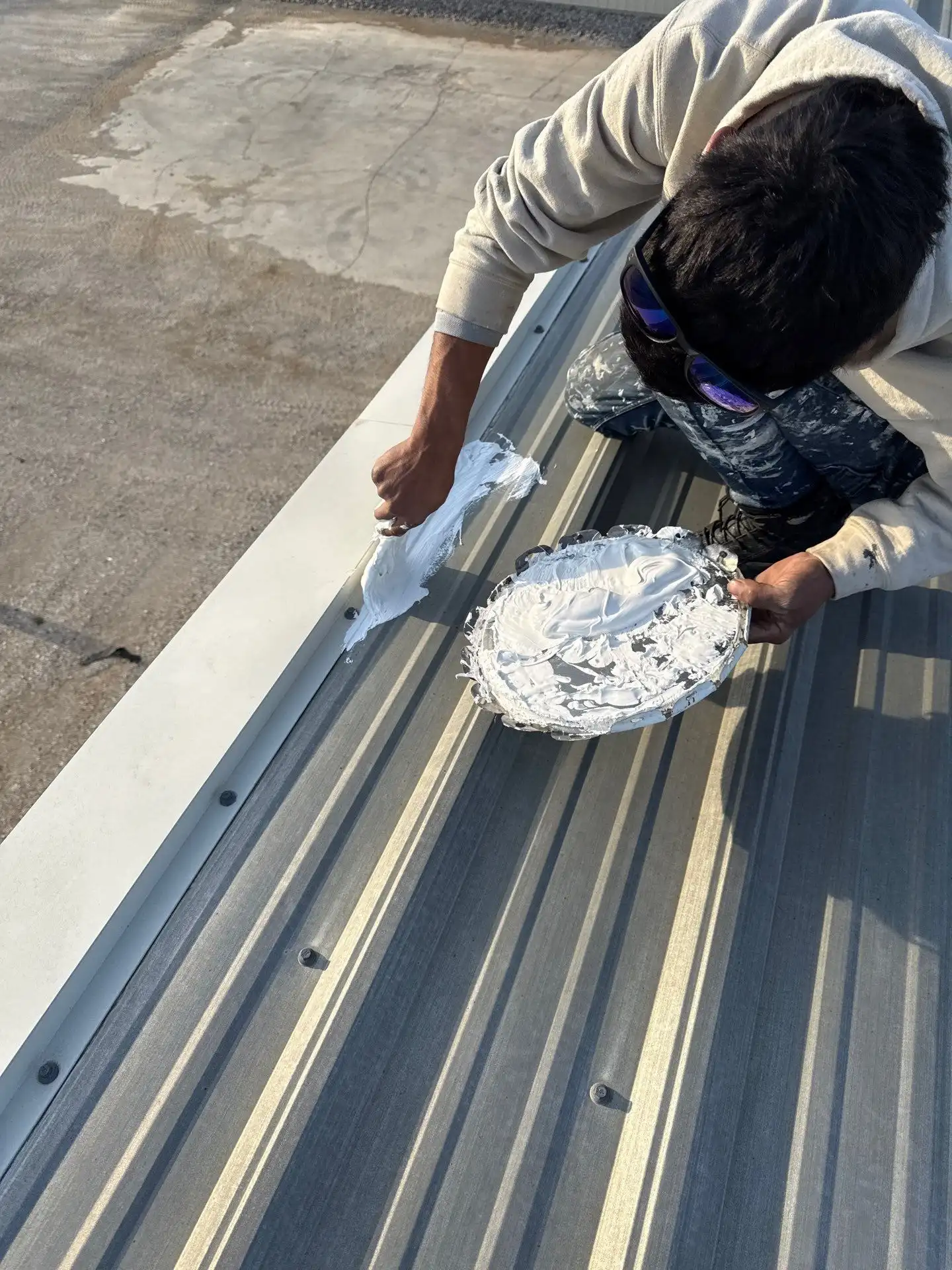
Metal's wind resistance depends heavily on proper installation, since the edge details, fastening, and seams are what hold the system down against uplift. A correctly installed metal roof performs to its wind rating, while shortcuts in the edge work or fastening can create vulnerabilities. This is why installation quality matters so much for wind performance. The roof is only as wind-resistant as its weakest detail, which makes good workmanship essential.
Where Wind Works
Wind exerts the most force at a roof's edges, corners, and ridges, where uplift is strongest, so these are the areas most likely to see wind damage if the roof has any vulnerability. The perimeter is where wind tries to get underneath and lift the roofing. Understanding that the edges are the front line helps explain where damage occurs and why edge details are so important. The perimeter is the key battleground in high wind.
Not Entirely Immune
Despite its strength, metal is not entirely immune to wind, since severe enough wind, or wind acting on a vulnerability, can still cause damage. The goal with metal is strong resistance that handles the great majority of wind events, not invincibility. Recognizing that metal is highly but not perfectly wind-resistant sets realistic expectations. Even the best roof has its limits in extreme conditions, which is why post-storm inspection still matters.
How Metal Handles Wind, in Short
Quality metal roofing is highly wind-resistant, with secure panels and a smooth surface, though its performance depends on proper installation, especially at the edges where wind works hardest. Metal handles most wind well but is not entirely immune.
One point worth making clear for Middletown homeowners is that a metal roof's excellent wind resistance is real but conditional, and the condition is proper installation. As a material, metal is inherently among the most wind-resistant roofing you can put on a home, with quality systems rated to withstand the kind of high winds that strip shingles off lesser roofs. But that rating describes a roof installed correctly, and the places where wind actually attacks a roof, the edges, the eaves, the ridges, and the fasteners, are precisely the details that depend on the installer getting it right. Wind works by finding an edge it can get under and using that grip to lift and peel, so secure, properly detailed edges and correct, adequate fastening are what stand between a roof and the storm. A quality metal roof installed by a contractor who builds for the weather will ride out severe wind that would destroy a poorly installed roof of the same material, while a metal roof put on carelessly, with weak edge details or inadequate fastening, can fail in wind it should have handled easily. This is why, when evaluating wind resistance, the installer matters as much as the product and the rating. The sensible approach is to choose both a quality system suited to your area's conditions and a contractor with genuine metal roofing experience who will install it correctly, because that combination is what actually delivers the wind performance the roof is capable of.
One point worth making clear for Middletown homeowners is that a metal roof's excellent wind resistance is real but conditional, and the condition is proper installation. As a material, metal is inherently among the most wind-resistant roofing you can put on a home, with quality systems rated to withstand the kind of high winds that strip shingles off lesser roofs. But that rating describes a roof installed correctly, and the places where wind actually attacks a roof, the edges, the eaves, the ridges, and the fasteners, are precisely the details that depend on the installer getting it right. Wind works by finding an edge it can get under and using that grip to lift and peel, so secure, properly detailed edges and correct, adequate fastening are what stand between a roof and the storm. A quality metal roof installed by a contractor who builds for the weather will ride out severe wind that would destroy a poorly installed roof of the same material, while a metal roof put on carelessly, with weak edge details or inadequate fastening, can fail in wind it should have handled easily. This is why, when evaluating wind resistance, the installer matters as much as the product and the rating. The sensible approach is to choose both a quality system suited to your area's conditions and a contractor with genuine metal roofing experience who will install it correctly, because that combination is what actually delivers the wind performance the roof is capable of.
One point worth making clear for Middletown homeowners is that a metal roof's excellent wind resistance is real but conditional, and the condition is proper installation. As a material, metal is inherently among the most wind-resistant roofing you can put on a home, with quality systems rated to withstand the kind of high winds that strip shingles off lesser roofs. But that rating describes a roof installed correctly, and the places where wind actually attacks a roof, the edges, the eaves, the ridges, and the fasteners, are precisely the details that depend on the installer getting it right. Wind works by finding an edge it can get under and using that grip to lift and peel, so secure, properly detailed edges and correct, adequate fastening are what stand between a roof and the storm. A quality metal roof installed by a contractor who builds for the weather will ride out severe wind that would destroy a poorly installed roof of the same material, while a metal roof put on carelessly, with weak edge details or inadequate fastening, can fail in wind it should have handled easily. This is why, when evaluating wind resistance, the installer matters as much as the product and the rating. The sensible approach is to choose both a quality system suited to your area's conditions and a contractor with genuine metal roofing experience who will install it correctly, because that combination is what actually delivers the wind performance the roof is capable of.
Get a Wind-Resistant Roof Checked
Whether assessing wind damage or installing a wind-resistant roof, Middletown Metal Roofing is here. We inspect and repair wind-damaged metal roofs and install quality wind-resistant systems across Middletown and Henry County. Call {phone} for a free inspection or consultation.